
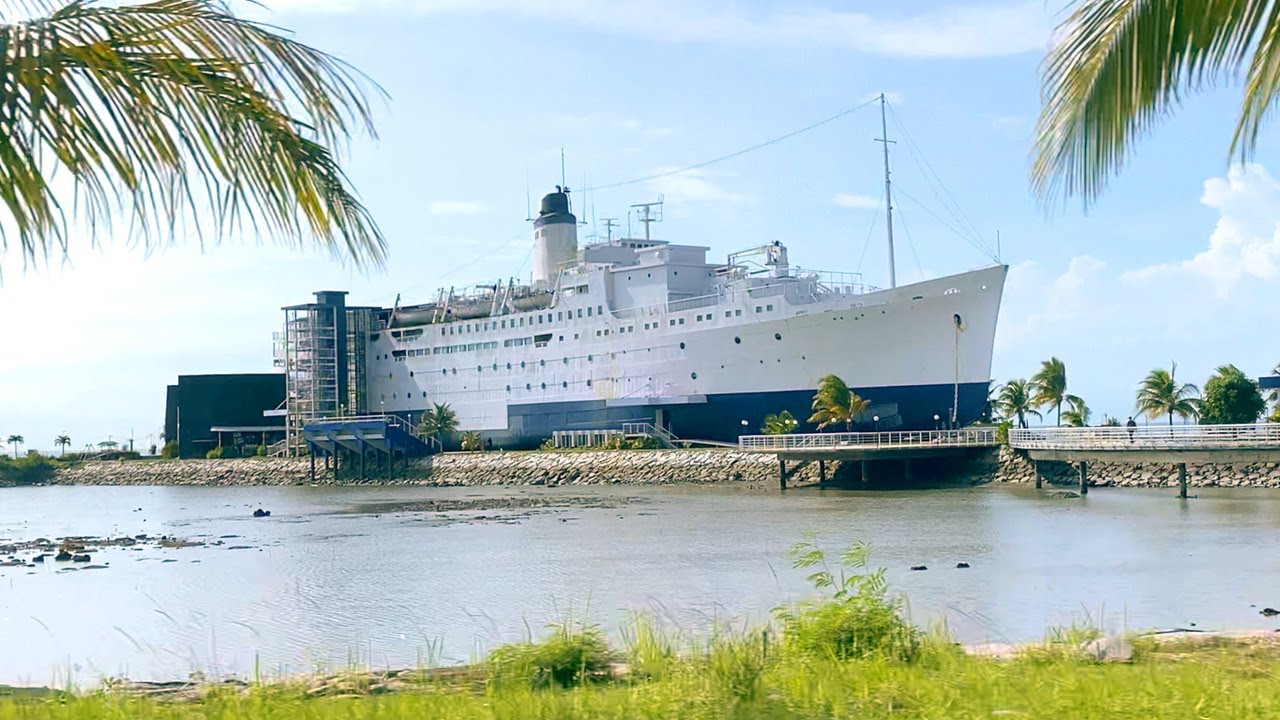
In a bold fusion of history and luxury, an entrepreneur has purchased the world’s oldest passenger ship and invested $18 million to transform it into a one-of-a-kind floating hotel. The project combines heritage preservation with high-end hospitality, offering guests a unique experience that blends nostalgia, elegance, and modern comfort.
A Piece of Maritime History
The ship, built in the early 20th century, holds a significant place in maritime history as the oldest surviving passenger vessel still capable of hosting guests. Once renowned for its transatlantic voyages, the vessel now serves a completely new purpose while retaining its historic charm and iconic architecture.
Maritime historians have praised the project, noting that the restoration preserves original features such as:
- Grand staircases and wood paneling
- Vintage cabins with historical decor
- Original brass fixtures and ship fittings
These details offer guests a glimpse into the luxury travel of a bygone era, making the ship a living museum as well as a hospitality destination.
The $18 Million Transformation
The owner spared no expense in turning the ship into a luxury hotel on water. The renovation included:
- State-of-the-art guest rooms with modern amenities while maintaining period charm
- Gourmet restaurants and lounges reflecting the ship’s historic grandeur
- Event spaces and entertainment areas for weddings, corporate events, and exclusive gatherings
- Upgraded safety, navigation, and structural systems to meet modern standards
The meticulous restoration blends luxury hospitality with historical preservation, ensuring the ship can safely host guests while offering an unforgettable experience.
A Unique Hospitality Experience
Guests aboard the floating hotel can expect a stay unlike any other, featuring:
- Elegant staterooms with panoramic sea views
- Fine dining inspired by the ship’s original menus
- Immersive historical tours detailing the vessel’s past voyages
- Cultural events and entertainment reflecting its maritime heritage
This innovative concept attracts travelers looking for unique experiences that combine adventure, luxury, and history.
Impact on Tourism and Heritage Preservation
The project demonstrates the growing trend of repurposing historic landmarks for modern tourism. By investing in preservation and luxury hospitality, the owner is contributing to:
- Cultural and historical awareness
- Sustainable tourism practices by giving new life to an existing structure
- Economic growth through unique travel experiences that draw international visitors
Experts believe this model could inspire similar projects, transforming other historical vessels or sites into immersive hospitality destinations.
Conclusion
By spending $18 million to convert the world’s oldest passenger ship into a luxury hotel, the owner has created a remarkable fusion of history, elegance, and modern comfort. This floating hotel not only preserves an iconic piece of maritime history but also offers travelers an unforgettable experience, proving that luxury and heritage can sail together successfully.